
Preventive Healthcare Strategies for Rural and Isolated Populations
Preventive healthcare plays a critical role in improving health outcomes. However, access to such care remains uneven, especially for people living in rural and isolated areas.
In July 2024, the total U.S. population living in nonmetro counties stood at 46.2 million. This group accounted for 14 percent of American residents spread across 72 percent of the nation’s land area. While nonmetro counties experienced a modest population increase of 0.29 percent in recent years, metropolitan areas grew at a faster rate of 1.1 percent.
This imbalance highlights a persistent challenge: large geographic regions with growing populations but limited healthcare infrastructure. Rural and isolated communities often face provider shortages, long travel distances, and fewer preventive services, increasing the risk of late diagnoses and chronic illness.
Developing preventive healthcare strategies tailored to these populations is key to reducing health disparities and promoting long-term community well-being.

The Health Challenges of Rural and Isolated Communities
Rural communities face unique challenges that make staying healthy difficult. Many residents live far from the nearest clinic, making travel nearly impossible during bad weather or on poor roads. These areas also struggle with fewer doctors, limited medical supplies, and a lack of testing equipment.
Beyond distance, factors like low income and cultural mistrust often lead people to delay seeing a doctor. This means conditions like obesity or high blood pressure aren't caught until they are life-threatening.
According to the CDC, these social and economic hurdles put rural residents at a higher risk of death compared to city dwellers. This is especially true for the five leading causes of death: cancer, heart disease, unintentional injury, chronic lower respiratory disease, and stroke. Because of these barriers, rural mortality rates remain high for illnesses that could otherwise be managed.
Strengthening Community-Based Primary Care
To strengthen rural health, community-based primary care must bring services directly to residents through local clinics and mobile units. These centers serve as a vital first point of contact, shifting the focus from emergency visits to routine screenings and vaccinations.
However, staffing these centers remains a significant hurdle. According to the AJMC, only 68% of the rural demand for physicians will be met by 2037. To fill these gaps, practices increasingly rely on nurse practitioners and physician assistants to expand capacity.
Despite this, 92% of rural counties were designated as shortage areas in 2023, affecting 42 million people. In fact, 199 rural counties have no primary care physicians at all, leaving just one doctor for every 2,881 residents. By collaborating with local leaders and using advanced practitioners, communities can build a network that makes preventive care accessible and culturally relevant.
The Need to Empower the Rural Healthcare Workforce
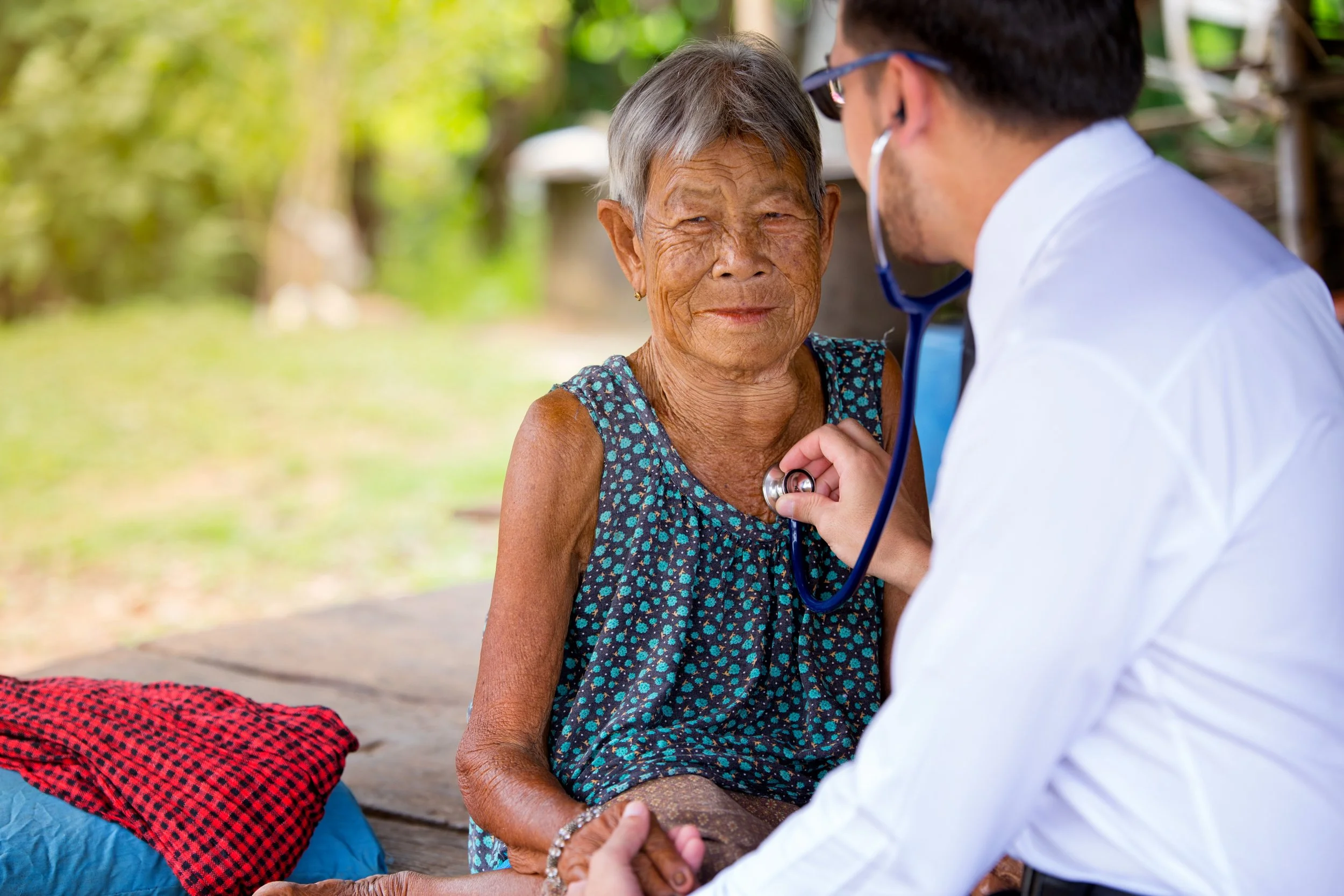
Nurses and community health workers (CHWs) are central to preventive healthcare delivery in rural and isolated areas. They are often the most trusted and accessible healthcare professionals in these communities.
Their roles extend beyond clinical care to include health education, patient advocacy, and care coordination. In many communities, nurses lead preventive efforts such as screenings, immunizations, maternal health programs, and chronic disease management. These efforts help patients adopt healthier lifestyles and recognize early warning signs.
CHWs further strengthen this work by bridging cultural and communication gaps, ensuring preventive messages effectively reach local populations.
Expanding access to advanced education is key to sustaining this workforce. Flexible pathways, including MSN to DNP-FNP programs online, allow working nurses in remote areas to advance their training without leaving their communities.
According to Baylor University, Family Nurse Practitioners (FNPs) play a vital role in closing primary care gaps, particularly in underserved communities. By introducing new treatment approaches and advocating for improvements in nursing practice, they help drive meaningful change in healthcare delivery.
Leveraging Digital Health and Telemedicine
Technology is transforming preventive healthcare in remote areas, making medical services faster and more accessible. Telemedicine platforms allow patients to consult specialists hundreds of miles away, eliminating the need for exhausting travel.
Video consultations, digital prescriptions, and remote monitoring tools now enable professionals to manage chronic conditions like diabetes and hypertension with high efficiency.
However, these technologies require strong policy and infrastructure to succeed. According to Forbes, Congress passed the One Big Beautiful Bill Act in July 2025, which includes the $50 billion Rural Health Transformation Program. Beginning in 2026, CMS will allocate $10 billion annually through 2030 to states for broadband expansion, digital infrastructure, and chronic disease management.
This funding also supports training for AI and remote patient monitoring, ensuring that cutting-edge technology leads to equitable healthcare for all rural communities.
Preventive Health Education and Community Awareness
Preventive strategies are most effective when individuals are empowered to make informed decisions about their health. Public health campaigns that emphasize nutrition, hygiene, and lifestyle management can substantially reduce disease prevalence.
To be effective, these messages must use culturally relevant channels like local radio, regional social media, or community centers. Breaking social barriers through open dialogue about mental and reproductive health ensures that prevention becomes a daily habit rather than an institutional goal.
The stakes of this engagement are significant. According to News-Medical, nearly 80% of chronic conditions could be prevented through healthy lifestyle behaviors. Furthermore, approximately 63% of deaths caused by chronic diseases are linked to unhealthy habits. This has made "lifestyle medicine" a critical pillar of clinical preventive care.
By engaging schools and community leaders, we can promote early awareness and support the lifestyle changes necessary for sustainable improvements in rural health.
FAQs:
01 What are the biggest challenges in providing preventive healthcare to rural populations?
The primary challenges include a shortage of healthcare professionals, geographical isolation, limited medical infrastructure, transportation barriers, financial constraints, and lower health literacy. Additionally, rural areas often lack reliable internet connectivity for telemedicine, refrigeration for vaccines, and emergency medical services, making consistent preventive care delivery difficult.
02 How effective is telemedicine for preventive care in isolated communities?
Telemedicine is highly effective when proper infrastructure exists, enabling remote consultations, chronic disease monitoring, and specialist access without travel. It increases preventive care utilization, improves health outcomes, and reduces costs. However, success requires reliable internet, trained personnel, appropriate equipment, and patient education on technology use.
03 Can community health workers replace trained medical professionals in rural areas?
Community health workers complement but cannot replace trained medical professionals. They effectively deliver basic preventive services, health education, and bridge communities with healthcare systems. However, complex medical decisions, diagnoses, and treatments require qualified healthcare professionals. The ideal model combines both, with community workers handling prevention while referring to complex cases.
Preventive healthcare is vital for improving health outcomes in rural and isolated communities. Combining community-based care, digital health solutions, and public education empowers residents to take charge of their well-being. Sustained investment in infrastructure, workforce training, and culturally relevant programs is essential to ensure long-term, equitable health improvements.
