
Category
Blog

Why Do So Many EMT Students Fail the NREMT?
The NREMT pass rate hovers around 70% for first-time test-takers, which means roughly three in ten students walk out of the testing center without a passing score. That number surprises a lot of people who assumed that finishing an EMT course was the hard part. Why do so many EMT students fail the NREMT? It comes down to two things: knowledge gaps that never got closed during training, and test-taking habits that actively work against the computer-adaptive format the NREMT uses. Both are fixable, but only if you understand where the breakdowns actually happen.

How Can Families Find the Right Residential Treatment Program for Teens?
Choosing a residential treatment program for your teenager can be one of the most stressful decisions a family has to make. Parents often have to sort through clinical terms, insurance requirements, different treatment options, and program promises while their teen may already be struggling. The pressure to act quickly can make it tempting to choose the first available option, but taking time to understand how programs differ can help families make a more informed decision.

What Should You Do To Recover From a Climbing Injury?
So, you tweaked something while climbing a wall you’ve climbed a million times before. Or maybe you felt a pop in your finger during a dynamic move that seemed like a great idea three seconds before it very much wasn't.
Climbing injuries are frustratingly common, annoyingly slow to heal, and have a special talent for showing up right when you're finally sending projects. Whether you're nursing a pulley injury, dealing with golfer's elbow that has nothing to do with golf, or managing a tweaked shoulder, how you handle recovery makes the difference between coming back strong and turning a minor setback into a chronic nightmare.
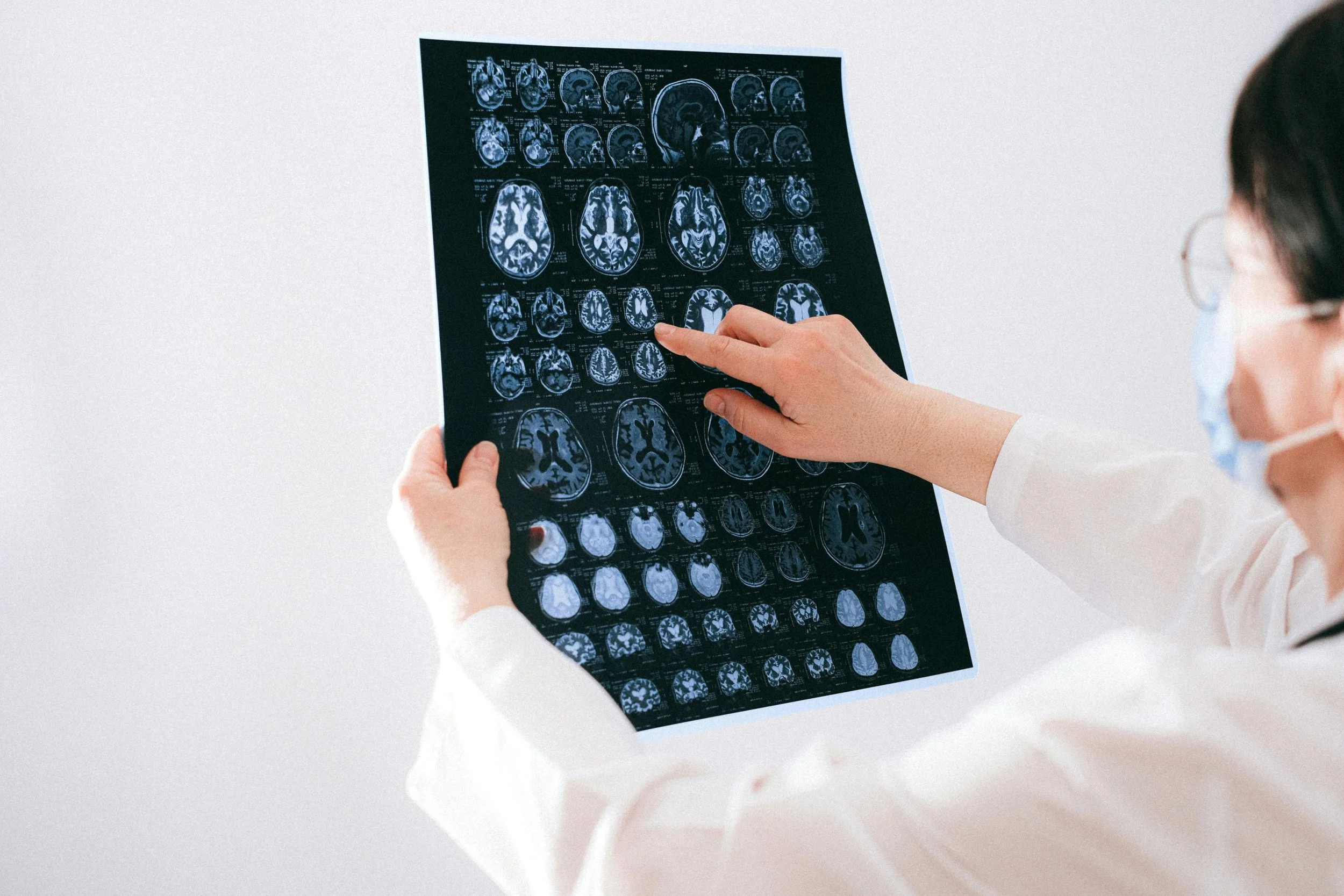
Effective Strategies to Slow the Progression of Multiple Sclerosis
Getting a multiple sclerosis (MS) diagnosis is scary. After all, this chronic condition affects the body’s central nervous system. The body’s immune system mistakenly attacks the protective sheath around nerves. This sheath is called myelin.
When myelin is damaged, communication between the brain and body slows down. This process can cause various symptoms like fatigue and weakness. However, proactive management can change the disease course and slow its progression.
Here, we’ll share a few tips that can help you manage and slow the progression of MS.

How Chronic Disease Is Changing Care in Later Life
People are living longer than previous generations, but longevity is increasingly paired with chronic illness. Across countries and income levels, conditions such as heart disease, diabetes, arthritis, and respiratory disorders now shape how older adults experience daily life.
Aging is no longer a brief final chapter. For many, it is a long phase marked by ongoing health management, functional limitations, and reliance on others for support. This shift has implications far beyond hospitals and clinics. It affects families, caregivers, housing systems, and the healthcare workforce itself.
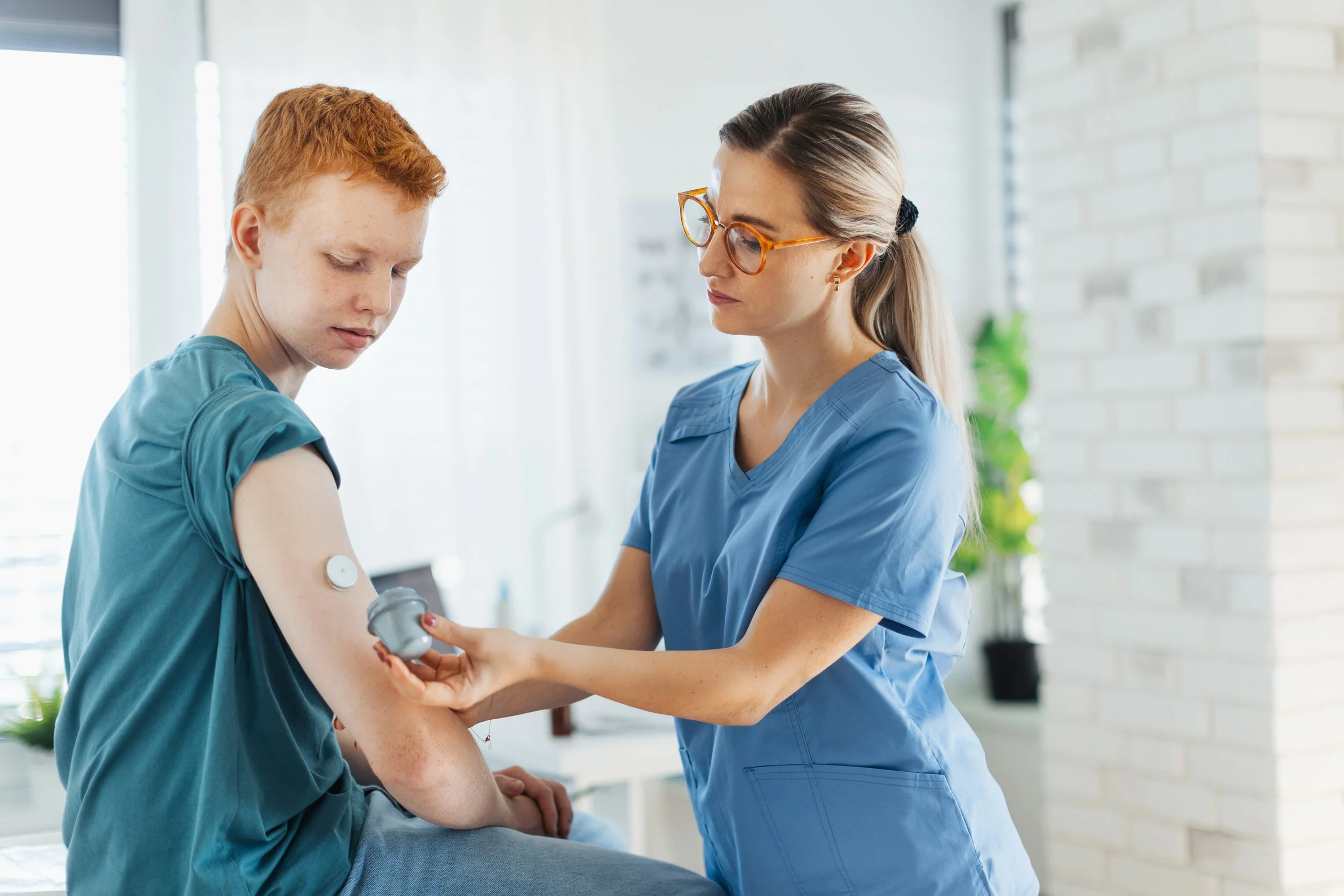
How Hospitals Can Provide Excellent Care for Chronically Ill Adolescents
Living with a chronic illness as an adolescent is hard, confusing, and often exhausting. Hospital visits can feel overwhelming for both patients and families.
In Australia, more than 40 percent of adolescents live with a chronic condition. As more and more young people are suffering from chronic conditions, excellent care becomes vital.

Preventive Healthcare Strategies for Rural and Isolated Populations
Preventive healthcare plays a critical role in improving health outcomes. However, access to such care remains uneven, especially for people living in rural and isolated areas.
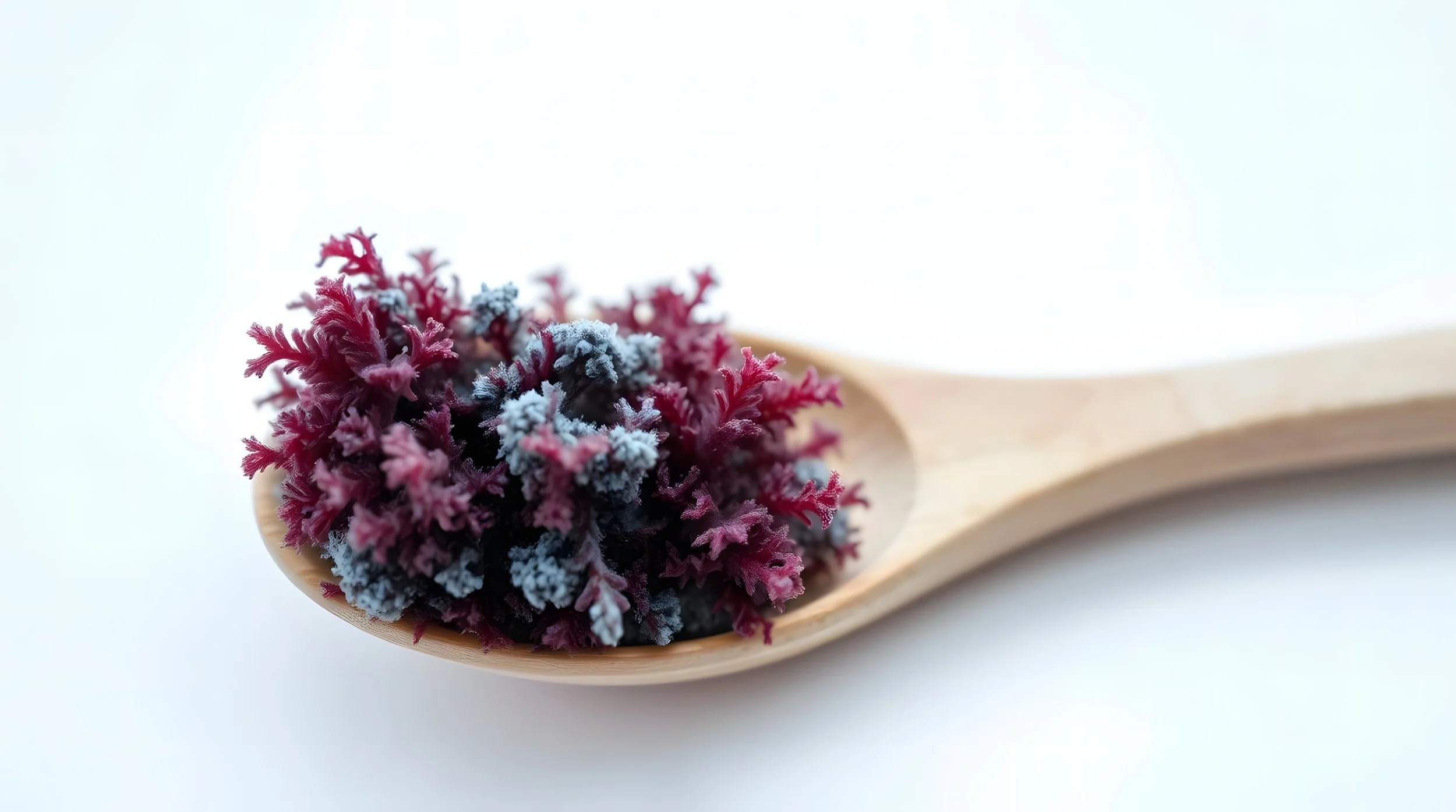
5 Reasons Why You Should Use Sea Moss in Your Self-Care Routine
If you’re looking for a simple way to boost your health, adding sea moss to your self-care routine might be worth trying. Sea moss, also called Irish moss, is a type of seaweed that’s rich in vitamins and minerals. People have used it for years to support their overall wellness. Below are five good reasons why sea moss could be a helpful part of your daily routine, along with some tips on how often to use it.

Simple Ways to Maintain a Balanced Body Composition
Achieving and maintaining a balanced body composition is one of the most meaningful goals for long-term health and well-being. While weight is often the number people focus on, it does not provide the full picture. Two individuals may weigh the same but have vastly different health profiles depending on the proportion of fat, muscle, bone, and water in their bodies. Understanding body composition allows for a deeper look into one’s physical health and helps guide more effective lifestyle choices.

Recognizing the Power of Pharmacists in Breast Cancer Care
Every October, two important healthcare observances take place side by side: National Pharmacy Week and Breast Cancer Awareness Month. Together, they remind us of the vital connection between pharmacists, patients, and technology in advancing cancer care.
Pharmacists are often among the most accessible healthcare professionals, serving as a bridge between medical treatment and day-to-day patient needs. In breast cancer care, their expertise extends far beyond dispensing medication. It’s about empowering patients through education, monitoring, and personalized support.

Putting a Face on Teen Mental Health
Josephine Urbon is a 16-year-old sophomore living in Los Angeles, California. She gets good grades, plays sports, and has supportive parents and close-knit friends… yet she is still one of the many teen girls in the US that has faced anxiety and depression.

9 Things to Do After Receiving a Diagnosis
Receiving a health diagnosis can come with a number of emotions — maybe you feel relieved, shocked, overwhelmed… or some combination of the three. There’s no right way to receive news about your health. But taking steps to 1) process how you’re feeling and 2) plan for how your life may change can drastically lighten the burden that is a chronic health condition. Having served patients from all walks of life, all undergoing unique treatment journeys, our team has compiled 9 tips for what to do after receiving a diagnosis.

The Relationship Between Food & How You Feel
It’s no question that food has a significant impact on your health and wellbeing, in both the short and long term. With food and wellbeing being so closely intertwined, it is essential to be intentional with your dietary choices to ensure that you’re using food to your advantage, and not your disadvantage. Just like how food can have many positive impacts on your health and wellbeing, it can also have negative effects. In this post, we’re discussing the positive and negative impacts of food along with some easy tips to achieving a healthy, balanced diet.

Preparing for Doctor’s Visits as a Caregiver
Doctor’s visits are a crucial part of the treatment experience. But without preparation and good communication on both sides, many doctor’s visits turn out to be inefficient and ineffective. In these types of care settings, caregivers play an important role in collecting and sharing information from both the patient and the provider. And their presence is often essential for the wellbeing of the patient. In this post, we’re discussing a few ways caregivers can best prepare for their patient’s doctor’s visits.

Finding an Online Support Community
It’s widely known that having a sense of community — in any facet of your life — can have great benefits for your physical, mental, and psychological state. People are inherently social creatures who crave relationships with others. Camaraderie is essential to our well-being, especially when coping with a difficult cancer or chronic illness diagnosis. Here are some of the benefits of being a part of an online community for your illness.

New Beginnings: How to Make the Most of the New Year
Studies have shown that about two-thirds of people who set New Year's resolutions end up giving up on them. Setting goals and resolutions for yourself can be overwhelming. It's hard to anticipate how your life will change in a year and what obstacles you will face, especially when it comes to your health journey. In this blog post, we will discuss tips to help you reach your goals and maintain your progress.

The Holidays When Someone you Love has Cancer
When a loved one has cancer, it is exceptionally difficult to move on with life as usual. The holidays that used to be joyous and exciting can now feel impossible to get through. Cancer puts an enormous strain on the individual patient, their close relationships, and the family dynamic as a whole. The hardship you and your loved ones are experiencing will inevitably impact the ability to enjoy these times of celebration. Today we will discuss navigating the holidays when a loved one has cancer and how you can offer them additional support.

Eating Disorders and the Holidays
The holidays are a time when many indulge in all their favorite comfort meals, beverages, and festive sweets. However, if you are struggling with an eating disorder, the holidays can mean facing potential triggers, anxieties, and challenges around food. Instead of feeling excitement and anticipation, an eating disorder can leave you riddled with fear, constantly evaluating how much you consume compared to others. This season can magnify your inner struggles and make it difficult to ignore unsettling thoughts and feelings. In this blog post, we will discuss ways you can cope with an eating disorder and prioritize your physical and psychological health this holiday season.

Managing Adult ADHD in the Workplace
It is estimated that around 11 million adults in the United States have Attention Deficit / Hyperactivity Disorder (ADHD). Research suggests that ADHD is inherited; it’s a genetic disorder that can significantly impair one’s ability to function in everyday life, particularly at work. Taking steps to properly manage your ADHD can significantly improve your work performance, relationships, and feelings of self-efficacy.

8 Maintainable Sleep Hygiene Habits
Getting enough sleep is essential to living a happy and healthy life. Sleep allows us to function properly and gives our bodies and minds the chance to rest and recharge. We cannot understate the importance of sleep to your mind, body, and life, especially while facing a chronic condition.