
What Should You Do To Recover From a Climbing Injury?
So, you tweaked something while climbing a wall you’ve climbed a million times before. Or maybe you felt a pop in your finger during a dynamic move that seemed like a great idea three seconds before it very much wasn't.
Climbing injuries are frustratingly common, annoyingly slow to heal, and have a special talent for showing up right when you're finally sending projects. Whether you're nursing a pulley injury, dealing with golfer's elbow that has nothing to do with golf, or managing a tweaked shoulder, how you handle recovery makes the difference between coming back strong and turning a minor setback into a chronic nightmare.
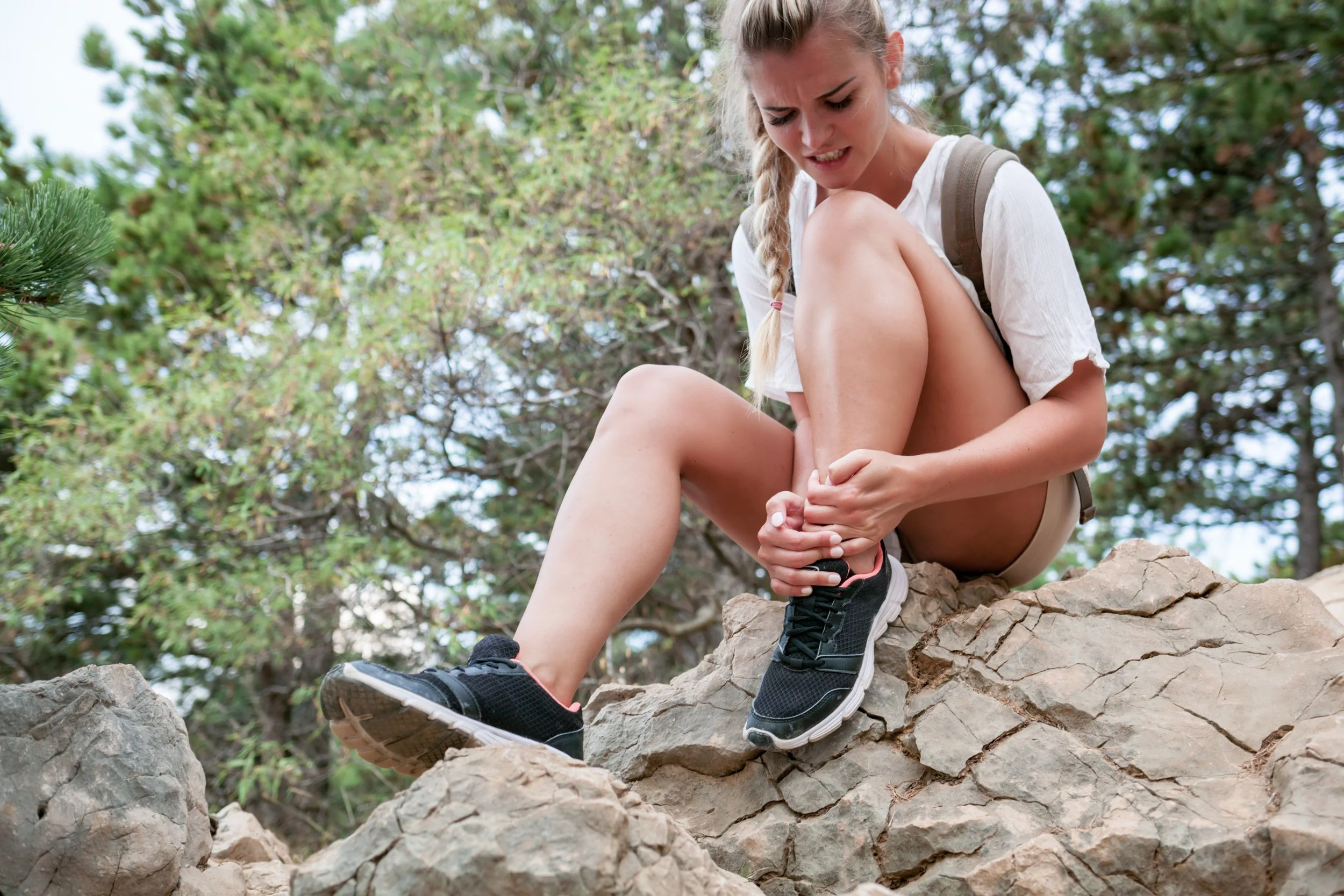
Here are a few tips that can help you manage your injury:
01 Stop Climbing
If climbing is a big part of your day-to-day life, you're probably going to want to try to power through your symptoms.
You'll convince yourself it's fine. It only hurts on certain holds. You'll just stick to easy routes. Maybe you'll tape it really well, and that'll somehow fix everything.
Unfortunately, the absolute worst thing you can do with a fresh climbing injury is pretend it doesn't exist and keep loading the damaged tissue. That annoying twinge turns into a chronic issue that haunts you for months or even years.
The moment something feels wrong, you need to get off the wall. Ice it. Rest it. Accept that your send schedule just got disrupted.
02 Get a Diagnosis
Instead of playing medical detective and trying to figure out what’s going on yourself, see a healthcare professional. Graduates from physical therapy programs, such as physical therapists or sports medicine specialists who work with climbers, understand the specific demands of the sport and can provide a useful follow-up plan.
A proper diagnosis matters because different injuries need different approaches. A pulley strain requires different rehab than tendinosis. Shoulder impingement isn't the same as a labral tear. Guessing wrong means you could be doing exactly the wrong thing for weeks while your actual injury gets worse.
03 Try the RICE Protocol
For acute injuries, you're looking at the classic RICE approach: Rest, Ice, Compression, Elevation.
Ice the injured area for 15 to 20 minutes several times a day for the first 48 to 72 hours. This helps manage inflammation and pain. Compression with an elastic bandage can reduce swelling, though don't wrap it so tight that you cut off circulation and create a whole new problem. Elevation helps fluid drain away from the injury site.
Rest doesn't mean becoming one with your couch forever. It means avoiding activities that aggravate the injury during the acute phase. You can probably still do some training.
Maybe legs if your finger's injured, or maybe cardio if your shoulder's cranky. Work around the injury intelligently.
04 Rehabilitation
Once the acute pain settles down, the real work begins. This is where a good physical therapist becomes worth their weight in climbing shoes. They'll design a rehab program specific to your injury that gradually reintroduces load to the healing tissue.
Rehab for climbing injuries usually involves a progression from basic range-of-motion exercises to gentle strengthening and, eventually, sport-specific movements. For finger injuries, you might start with putty exercises before moving to light hangboard protocols. Shoulder injuries often need rotator cuff strengthening and scapular stability work before you even think about pulling hard.
The important word here is gradual. You're not trying to get back to your pre-injury climbing level in two weeks!
05 Antagonist Training
Climbers love pulling. We're really good at it. What we're not good at is all the pushing, rotating, and stabilizing that keep our bodies balanced. This imbalance is exactly why so many climbing injuries happen in the first place.
Recovery is the perfect time to address this. Work your push muscles: Think push-ups, dips, and overhead presses. Strengthen your rotator cuffs with band exercises. Train your finger extensors, not just your flexors. Do some core work that doesn't involve desperately trying to stick your feet during a roof sequence.
06 Return To Climbing Gradually
When you finally get clearance to climb again, you're going to want to jump straight back into your projects. Resist this urge with every fiber of your being. Start easy. Like, embarrassingly easy. Routes that feel like warm-ups. Angles that don't stress the injured area.
Pay attention to how your body responds. A little soreness the next day is normal. Sharp pain during or immediately after climbing means you pushed too hard and need to dial it back. Gradually increase volume and intensity over weeks, not days.
Heal, Grow, and Get Ready To Get Back Up There
Climbing injuries are often a wake-up call about training, technique, or recovery habits that need addressing anyway. Maybe you were climbing too many days in a row. Maybe your technique on small holds was sketchy. Maybe you were neglecting mobility work and antagonist training.
The climbers who come back strongest from injuries are the ones who actually learned something during the process. Don't waste your time on the sidelines. Use it to become a more well-rounded, injury-resistant climber.
Written by: Daniel Washington
